
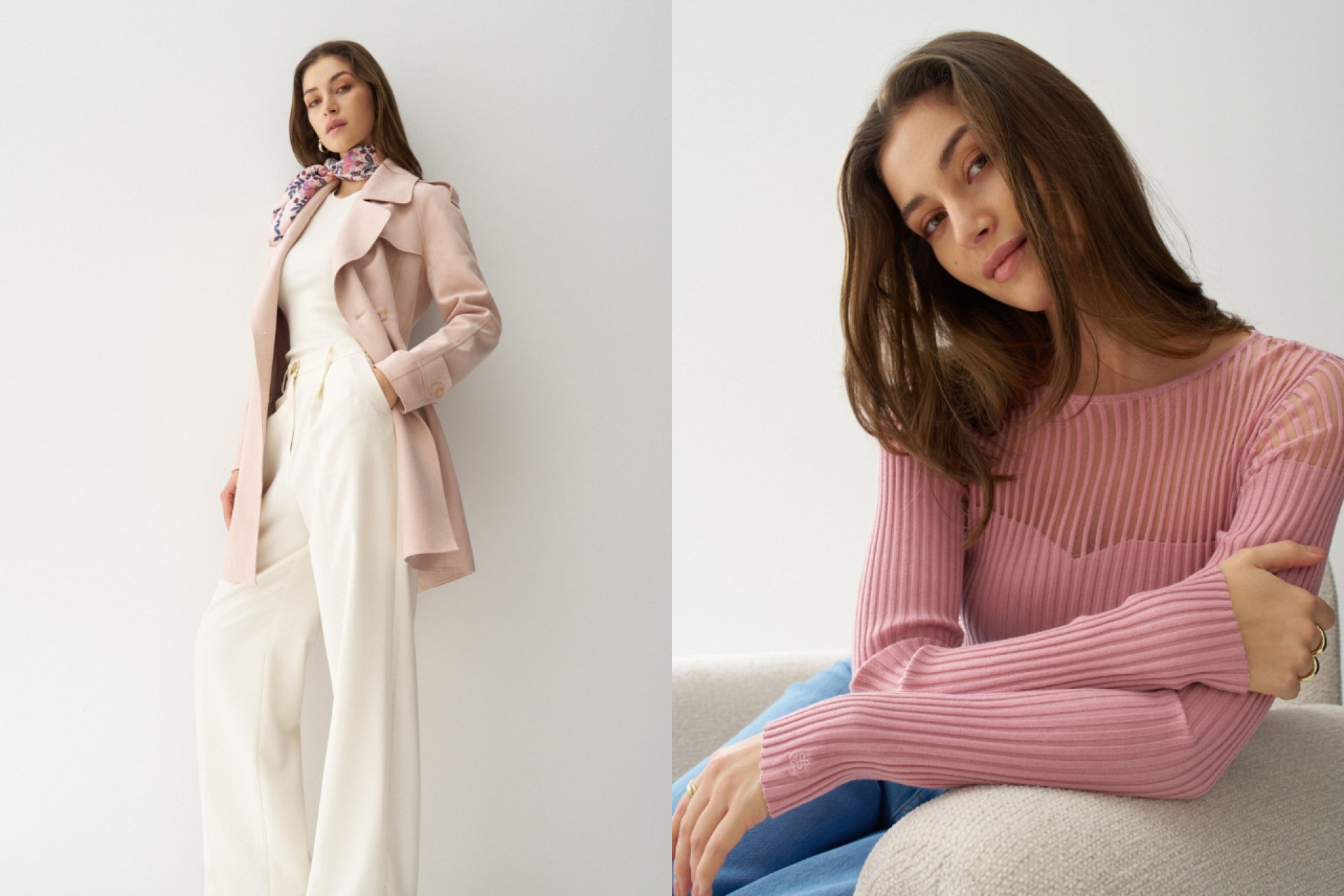
What Is Quiet Luxury and How Does It Differ from Old Money Aesthetic?
These are two terms that tend to travel together, but they don't mean exactly the same thing. Quiet luxury is a philosophy of dressing: quality pieces, clean silhouettes, no visible logos and a commitment to the timeless over the trendy. Luxury is felt in the cut and the fabric, not in the label. It's an attitude towards clothes. Old money aesthetic is more of a visual and cultural reference: it evokes old-money families with inherited wardrobes, not ones bought season after season. Tweed, cashmere, dark denim, loafers, clothes that look like they've always been there. It's the aesthetic context from which quiet luxury draws. In practice, both terms describe the same wardrobe. And the good news is that building it doesn't require a luxury budget. It requires judgement.
The women who defined ‘quiet luxury’ before it even had a name
Quiet luxury wasn't born on TikTok or in a trend report. It had been practised for decades by women who simply knew how to dress — and who didn't need anyone to give it a name.
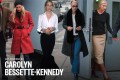
Carolyn Bessette-Kennedy is the most cited reference and the one who best embodies the denim version of this aesthetic: straight-leg jeans, white t-shirts, clean-lined coats. Sophistication without apparent effort. If you want to see how to recreate her specific looks, you'll find everything here.
Kate Moss in the 90s represented the most urban and slightly rock version of minimalism: denim, a basic t-shirt, a leather jacket. Proof that quiet luxury isn't necessarily formal — it's a matter of proportions and attitude.
Gwyneth Paltrow carried it onto the red carpet and into everyday life with the same consistency: a neutral palette, clean silhouettes, hair tied back without ornament. Her off-duty style from the 90s and 2000s is a masterclass in applied old money aesthetic.
Designer Phoebe Philo at Céline was the one who codified it as a contemporary fashion language: structural minimalism, quality materials, zero logos. Everything that's now called quiet luxury owes a direct debt to her time at the house. What they all share is the same philosophy: clothes speak through their cut, not their price or their visibility. And at the centre of almost all their looks, again and again, appears denim.
The Pillars of Minimalist Style
90s minimalism wasn't a poverty of ideas — it was an act of refinement. Knowing what to leave out is just as important as knowing what to keep in. What defines it: a neutral, cohesive palette, clean cuts without unnecessary details, balanced proportions and pieces that work together effortlessly. Every piece earns its place. What it isn't: mixing too many elements within the same palette, bringing in trend-led pieces that break the coherence of the whole, or confusing minimalism with low-quality basics. Quiet luxury is felt in the hand and the drape of the fabric just as much as in the cut. The colour palette is almost everything: white, black, beige, grey, camel and denim. From there, any combination works.
The Key Pieces of a Minimalist Capsule Wardrobe
A well-resolved neutral capsule wardrobe doesn't need more than 10 to 12 base pieces. Here are the essentials:
Straight-Leg or Wide-Leg Jeans in Mid-Wash Denim
The centrepiece of this wardrobe, as Carolyn Bessette demonstrated and as any old money aesthetic look that works continues to prove. Mid-high waist, clean fall, no distressing or unnecessary details. In mid-wash or dark denim depending on the register you're going for. It's the foundation on which everything else is built.
Shop straight-leg jeans
Shop wide-leg jeans
The White Cotton T-Shirt
There's no minimalist wardrobe without a great white t-shirt. The key is fabric quality — it needs to have body, not be see-through and hold its shape after every wash. It's the piece you'll reach for most often and the one where poor quality shows the most.
Shop cotton t-shirts
The Oversize White Shirt
A step above the t-shirt in terms of formality, just as versatile. Open over jeans, buttoned and tucked into tailored trousers, tied at the waist. The white shirt is the piece that covers the most ground within the minimalist palette.
Shop shirts
The Fine-Knit Jumper in Black or Neutral Tones
The lightweight layering option that doesn't disrupt any silhouette. In black it works as the chromatic anchor of any look. In camel or grey it adds warmth without adding noise. Fine knit is essential — excessive volume is the enemy of quiet luxury.
Shop knit jumpers
The Classic-Cut Blazer
The piece that transforms a look most within this wardrobe. A black or camel straight-cut blazer elevates any jeans-and-basic combination into an entirely different register. It doesn't need to be oversize or very fitted — the classic straight cut is the one that ages best and offers the most versatility.
Shop blazers
The Long Wool Coat
For the colder months, the coat is the piece that most defines the aesthetic of the complete look. Knee-length, in black or camel, with a cut that doesn't need accessories to work. It's the most important investment in this wardrobe and the one that delivers the best cost-per-wear return.
Shop wool coats
How to Put These Pieces Together
The advantage of building from a neutral, cohesive palette is that the process of putting outfits together becomes remarkably simple. Any piece works with any other. There are no wrong combinations, only choices of register. The logic for building each look is always the same: a bottom piece (jeans or trousers), a top piece (t-shirt, shirt or jumper) and optionally a layer on top (blazer or coat). Footwear in a neutral tone or black completes the look without competing. Three combinations that always work within this wardrobe:
Combination 1 — Timeless casual: straight-leg jeans + white t-shirt + flat loafer. Carolyn's look in its purest form.
Combination 2 — Urban minimal: wide-leg jeans + black jumper + fine ankle boot. Monochromatic, urban, flawless.
Combination 3 — Smart casual: dark jeans + white shirt + camel blazer. The most versatile straight leg jeans outfit in the wardrobe, works equally well for a meeting or a dinner.
Why Denim Is the Central Piece of Quiet Luxury
You might think that quiet luxury is the territory of the tailor and silk. But denim plays a starring role in this aesthetic precisely because it was Carolyn — and before her a whole generation of women with iconic style — who elevated it to that status. A well-cut pair of jeans in the right wash doesn't apologise for being part of a sophisticated look. On the contrary: it's the piece that grounds the look in reality, takes it away from anything affected and gives it that naturalness that is the true hallmark of quiet luxury. The trick isn't in the price of the jeans. It's in the cut, the rise and the wash. With those three things right, the rest of the capsule wardrobe builds itself.
See the full Salsa Jeans collection
Frequently Asked Questions About Quiet Luxury and Old Money Aesthetic
What sets quiet luxury apart from conventional minimalism?
Conventional minimalism can be purely aesthetic — simple clothes without much more intention behind them. Quiet luxury adds the dimension of quality: the pieces need to be good, not just simple. Discretion is a conscious choice, not a limitation.How many pieces do I need for a minimalist capsule wardrobe?
With 10 to 12 well-chosen base pieces you have a completely functional wardrobe. The key is that every piece works with all the others and that the palette is cohesive. More pieces doesn't mean more options if there's no coherence.
Is quiet luxury only for certain body types or lifestyles?
No. It's a philosophy of dressing that adapts to any context because it starts from timeless silhouettes and balanced proportions. Straight cuts, a mid-high rise and a neutral palette suit every body precisely because they don't force any particular shape.
What's the difference between old money aesthetic and quiet luxury?
Old money aesthetic is the cultural and visual reference — it evokes a world of inherited, understated elegance. Quiet luxury is the practical application of that philosophy to everyday dressing. They're two sides of the same coin.
How do I start building my minimalist capsule wardrobe?
The easiest starting point is the jeans: choose a straight-leg and a wide-leg in a neutral denim, add two or three basics in white and black and build from there. There's no need to overhaul your wardrobe all at once — it's about bringing in pieces with intention and letting go of the ones that don't add coherence.